 Tòa nhà BigWay, xã Vĩnh Thanh, TP Hà Nội


 Media
Media Tuyển Dụng
- Home/
- Buy Ivermectin Online in the United Kingdom Safely and Conveniently
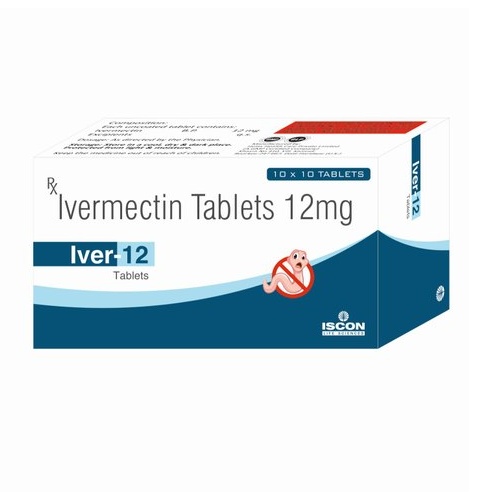
Ivermectin in the United Kingdom: An Expert’s Complete Guide to Safe Use, Prescription, and Best Practice 2026
Can You Obtain Ivermectin Without a Prescription in the UK?
No, it is illegal to obtain Ivermectin in the United Kingdom without a valid prescription from a registered healthcare professional. Ivermectin is a prescription-only medicine regulated by the Medicines and Healthcare products Regulatory Agency (MHRA). Self-sourcing from online pharmacies without a prescription is both unsafe and against UK law.
Summary: Key Ivermectin Facts 2026
| Parameter | Details (UK 2026) |
|---|---|
| Active Ingredient | Ivermectin |
| Main Uses (UK) | Parasitic infections, scabies, strongyloidiasis, and onchocerciasis; not approved for COVID-19 prevention or treatment |
| Prescription | Required for all human uses |
| Formulations Available | Tablets (3 mg, 6 mg), topical cream/lotion |
| Onset of Action | 4–8 hours (oral); peak plasma level ~4 hours |
| Average Price (2026, NHS/private) | £5–£15 per tablet for private prescriptions; NHS prescription charge applies (£9.65 per item as of 2026) |
| Regulatory Status | MHRA prescription-only; not OTC |
| Main Contraindication | Children under 15 kg, pregnancy, known allergy |
| Common Side Effects | Mild gastrointestinal symptoms, dizziness, rash |
| Insurance/Reimbursement | Covered by NHS for licensed indications |
How Does Ivermectin Work? Pharmacology Explained
Ivermectin is an antiparasitic medication belonging to the avermectin family. Its main action in humans is to bind selectively and with high affinity to glutamate-gated chloride ion channels, which are present in invertebrate nerve and muscle cells. By doing so, it causes an influx of chloride ions, leading to paralysis and death of the parasite. Notably, these channels are not present in mammals, which underpins its selective toxicity to parasites and relative safety in humans (EMA).
Ivermectin does not have direct antiviral activity in standard clinical doses, and no robust clinical trial in the UK has demonstrated proven benefit for viral infections, including COVID-19, as of 2026 (WHO).
Pharmacokinetics: After oral administration, ivermectin is absorbed in the intestine, reaches peak blood plasma levels within 4 hours, and is largely metabolised in the liver by the CYP3A4 enzyme. It is eliminated mostly through faeces, with a plasma half-life of approximately 18 hours. This means that, for most uses, a single dose is sufficient, but the duration of effect may last days due to the drug’s tissue distribution and persistence.
Metaphor: Imagine Ivermectin as a “lock picker” that slips into the parasite’s neural circuitry, disabling their movement and causing a gentle but unstoppable shutdown, while leaving the host’s own locks untouched.
Myth: “Ivermectin can treat all infections.”
Reality: It is only effective for specific parasites, and using it for unproven indications can delay proper diagnosis and harm your health.
Expert Commentary from Dr. Helen Bradley, Infectious Diseases Specialist, London
In my clinical practice across NHS clinics in London, I’ve observed that the greatest confusion about Ivermectin comes from misinformation online—particularly regarding COVID-19. Many patients request it for viral illnesses, but the scientific evidence simply isn’t there. The most common mistake is seeking Ivermectin for unapproved uses or from questionable online sources, risking counterfeit medicines and missed diagnoses. I advise my patients to approach all medicines—especially antiparasitics—with respect for their power and limitations. Always discuss with a qualified prescriber who can assess if Ivermectin is truly appropriate for your specific condition. Unregulated use is unsafe, and UK prescribers will only issue Ivermectin for the right indications and after confirming eligibility.
What Is the Correct Dosage and How Should I Take Ivermectin?
Ivermectin dosing in the UK varies by indication and patient weight. The standard regimen for strongyloidiasis or onchocerciasis in adults and children over 15 kg is a single oral dose of 150–200 micrograms per kilogram of body weight (e.g., a 70 kg adult would typically take 12 mg).
- Formulations: Tablets are available in 3 mg and 6 mg strengths.
- How to take: Swallow whole with water on an empty stomach (at least 1 hour before food) for optimal absorption.
- Repeat doses: For some conditions (e.g., scabies), a second dose may be needed after 7–14 days. Always follow prescriber’s instructions.
- Maximum daily dose: Never exceed 400 micrograms/kg in a single day. Overdosing increases risk of central nervous system toxicity.
- Splitting tablets: Splitting is possible if scored, but accuracy may suffer—use correct strength where possible.
- Elderly or liver impairment: Dose adjustment may be necessary; consult your doctor before use.
Peak effect: Usually seen within 6–10 hours; antiparasitic action may take several days for full resolution of symptoms.
How Do Diet and Lifestyle Impact Ivermectin’s Effectiveness?
- With food?
- Taking Ivermectin with a fatty meal increases absorption by up to 2.5 times, potentially raising side effect risk. Best taken on an empty stomach for safety and efficacy.
- Alcohol?
- Alcohol may increase central nervous system side effects (e.g., dizziness, confusion) and strain the liver. Avoid alcohol while using Ivermectin and for at least 24 hours after the last dose.
- Grapefruit juice?
- Grapefruit juice inhibits CYP3A4, slowing Ivermectin metabolism, which may boost side effects. Avoid grapefruit and related citrus during therapy.
- Other drugs?
- Strong CYP3A4 inhibitors (such as ketoconazole or clarithromycin) or inducers (such as rifampicin) may alter Ivermectin levels. Always inform your GP or pharmacist of all medicines you are taking.
| Product | Can be Combined? | Consequence |
|---|---|---|
| Paracetamol | Yes | No significant interaction |
| Alcohol | No | Increased CNS/liver risk |
| Warfarin | With caution | Possible raised INR; monitor closely |
| Grapefruit juice | No | Slows drug breakdown, increasing toxicity risk |
| Macrolide antibiotics | With caution | Possible increased Ivermectin levels |
Who Should Never Take Ivermectin? Contraindications & Red Flags
| Type | Details | Why |
|---|---|---|
| Absolute |
|
Higher risk of toxicity or unproven safety |
| Relative |
|
Use only if anticipated benefit outweighs risk; expert supervision required |
What Side Effects Are Most Common with Ivermectin?
Very common (>1/10):
- Headache
- Dizziness
- Gastrointestinal upset (nausea, diarrhoea)
Common (1/10–1/100):
- Rash, itching, or hives
- Fatigue
- Abdominal pain
- Muscle or joint pain
- Increased liver enzymes (on blood tests)
Rare (1/1,000–1/10,000):
- Visual disturbances
- Low blood pressure (especially if standing suddenly)
- Allergic reaction (swelling, breathing difficulties)
- Severe skin reactions (Stevens-Johnson syndrome)
Very rare (<1/10,000):
- Seizures
- Encephalopathy (especially in patients with heavy Loa loa infection)
- Acute liver failure
Mechanisms: Most side effects arise from parasite die-off (Mazzotti reaction) or direct effects on the nervous system if the drug crosses the blood-brain barrier in rare cases.
What to do: For mild symptoms (e.g., nausea, headache), rest and hydration are usually sufficient; consult your prescriber for persistent or severe effects.
Common Patient Mistakes Observed by Doctors in the UK
- Taking Ivermectin “just in case” for viral illnesses: This leads to unnecessary side effects and delays appropriate treatment. Solution: Only use as prescribed, for confirmed parasitic conditions.
- Ordering from unlicensed online “pharmacies”: Many patients believe the medicine is the same, but counterfeits are rampant and may contain no active ingredient or dangerous contaminants. Solution: Only buy through regulated UK pharmacies with a valid prescription.
- Combining with alcohol or other sedatives: This can amplify side effects such as dizziness, confusion, or liver strain. Solution: Abstain from alcohol during therapy and for 24 hours after.
- Ignoring the impact of food: Taking Ivermectin with a high-fat meal can raise blood levels unpredictably. Solution: Always take on an empty stomach unless instructed otherwise.
- Not completing the prescribed course: Skipping or stopping after one dose without professional advice can lead to treatment failure or recurrence. Solution: Follow the full course and return for review if advised.
- Not informing the doctor about other medications: Over-the-counter, herbal, or prescribed medicines may interact. Solution: Always provide your full medication list.
How Does Ivermectin Compare to Alternatives?
| Medication | Main Use | Onset | Duration | Common Side Effects | Price (UK, 2026) | Prescription Needed? |
|---|---|---|---|---|---|---|
| Ivermectin (3/6 mg) | Parasitic infections, scabies | 4–8 hrs | 1–2 weeks | Dizziness, GI upset, rash | £5–£15/tablet | Yes |
| Permethrin (topical) | Scabies, lice | Immediate | 7–14 days | Skin irritation | £7–£12/tube | Yes |
| Albendazole (tablet) | Helminth infections | 2–6 hrs | Up to 3 days | Liver enzymes, GI upset | £10–£18/tablet | Yes |
Bottom line: Ivermectin is preferred for certain parasitic infections and scabies when topical agents fail or are unsuitable. Permethrin is first-line for scabies, while albendazole is used for other worm infections. All require prescriptions and medical oversight in the UK.
Questions Frequently Asked to Doctors
- “Is Ivermectin safe for my child?”
- Ivermectin is licensed in the UK only for children weighing at least 15 kg. For lighter children, alternative treatments should be considered. Always discuss options with your paediatrician.
- “What should I do if I miss a dose?”
- If you miss a dose, take it as soon as you remember. If it’s nearly time for the next dose, skip the missed one—never double up. Contact your prescriber if unsure.
- “Can I use Ivermectin if I am pregnant or breastfeeding?”
- It is not recommended during pregnancy, especially in the first trimester, due to lack of safety data. For breastfeeding, consult your GP—risk to infants is unclear.
- “What happens if I take Ivermectin with alcohol?”
- Alcohol may worsen side effects such as dizziness, confusion, or liver injury. It’s best avoided during and shortly after therapy.
- “Is long-term use of Ivermectin safe?”
- Ivermectin is intended for short courses, not chronic use. Repeated or prolonged use should only happen if specifically advised by a consultant, with regular monitoring.
- “Can Ivermectin interact with my current medications?”
- Yes—especially medicines that affect liver enzymes (like some antibiotics, antifungals, or anti-epileptics). Always provide your full medication list to your prescriber and pharmacist.
- “Will Ivermectin affect my ability to drive?”
- Ivermectin can cause dizziness or drowsiness in some people. Avoid driving or using heavy machinery until you know how it affects you.
Ivermectin: Key Characteristics Table
| Parameter | Value |
|---|---|
| Active substance | Ivermectin |
| Formulations | Tablet (3 mg, 6 mg), topical cream/lotion |
| Indications | Parasitic infections, scabies, onchocerciasis |
| Legal status UK | Prescription only (POM) |
| Onset of action | 4–8 hours |
| Metabolism | Liver (CYP3A4) |
| Half-life | ~18 hours |
| Excretion | Faeces (main), urine (minor) |
| Common side effects | Gastrointestinal upset, dizziness, rash |
| Alcohol interaction | Should be avoided |
| Estimated price UK (2026) | £5–£15/tablet |
How to Legally Obtain Ivermectin in the UK: Step-by-Step
- Consultation: Arrange an appointment with your GP or a specialist in infectious diseases/dermatology (available in most major UK cities and via NHS or private providers).
- Assessment: Your doctor will confirm the diagnosis, assess your suitability, and ensure there are no contraindications.
- Prescription Issued: If indicated, you’ll receive a paper or electronic prescription.
- Dispensing: Take your prescription to a registered UK pharmacy (including NHS community pharmacies or reputable online pharmacies displaying the green cross logo).
- Collection/Delivery: You can collect in person or arrange secure delivery if using a UK-based regulated online service.
- Follow-up: Attend any recommended follow-up to ensure treatment has worked and to monitor for side effects.
Is It Safe or Legal to Buy Ivermectin Online in the UK?
Legal purchase of Ivermectin in the UK is only possible with a valid prescription through a registered pharmacy, whether online or in person.
- All legal online pharmacies in the UK must display the EU common logo (green cross) and be listed on the MHRA register.
- Websites that do not require a prescription are illegal, may sell counterfeit products, and put you at risk of prosecution and serious health harm.
- UK customs may seize illegal imports, and there is no guarantee of quality or authenticity from overseas sources.
How to Identify Original & Counterfeit Ivermectin in the UK
- Check packaging: Authentic Ivermectin comes in sealed blister packs or bottles, with clear labelling, batch number, expiry date, MHRA license number, and UK pharmacy dispensing label.
- Look for verification marks: UK packs may have a QR code, hologram, or tamper-evident seal. Always check for the green cross or MHRA registration.
- Suspiciously low price: If the price is much lower than standard UK pharmacy rates (e.g., £1 per tablet), it is likely counterfeit.
- Physical appearance: Legitimate tablets are white or off-white, often oval, sometimes scored, and never crumbly or of inconsistent shape.
- Generic vs. branded: Generics must be approved by MHRA and will have different branding but identical active ingredient and effect.
Original vs Generic Ivermectin: What’s Different?
- Active ingredient
- Identical in both original and generic versions.
- Excipients (fillers and binders)
- May vary between brands and generics—rarely causes allergic reactions, but patients with known allergies should check ingredients.
- Price
- Generics are usually 20–50% cheaper than branded versions; NHS will typically dispense the lowest-cost equivalent.
- Efficacy and safety
- Regulated generics work the same as branded products, with identical dosage and results if MHRA approved.
- Advantage of generics
- More affordable, greater availability, same clinical effect.
Note: Always check that your generic is dispensed through an approved UK pharmacy and is MHRA-licensed.
Is Ivermectin Safe for Children, Elderly or Pregnant Patients?
- Children: Use only in those over 15 kg. Children under this weight should not receive Ivermectin due to safety concerns.
- Elderly: Dose adjustment may be required for liver or kidney impairment. Watch for increased risk of side effects (e.g., dizziness, falls).
- Pregnancy: Not recommended, especially in the first trimester, due to insufficient safety data. Alternative treatments are preferable.
- Breastfeeding: Safety is unclear. Discuss with your clinician; the medicine does pass into breast milk in trace amounts.
- Fertility/family planning: No evidence that short-term Ivermectin affects fertility, but avoid conception during therapy as a precaution.
- Driving: Avoid if you experience dizziness, drowsiness, or blurred vision.
What Should I Do in Case of an Ivermectin Overdose?
- Stop taking the medicine immediately.
- Call 999 or go to your nearest Accident & Emergency department.
- Take the packaging or prescription with you and inform medical personnel of the amount taken.
- Do not attempt to induce vomiting unless instructed by emergency services.
- Symptoms of overdose may include: confusion, nausea, vomiting, difficulty breathing, seizures, or loss of consciousness.
Professional Opinion of Dr. Helen Bradley
Ivermectin is a safe and valuable medicine in the UK when prescribed for the right conditions—primarily parasitic infections like strongyloidiasis or scabies unresponsive to first-line therapies. In my experience, the risks are minimal when medical guidelines are followed and the patient is properly assessed. However, unregulated use (especially for viral illnesses or from non-MHRA sources) carries real dangers, including side effects, counterfeit products, and missed or delayed diagnosis of the true cause. For most people with straightforward, well-diagnosed parasitic infections, Ivermectin is effective and well tolerated, with a low rate of significant adverse effects. Patients with liver problems, pregnancy, or on certain medications require caution or alternative approaches. The most common pitfalls I see are self-medication and seeking quick fixes online. Always work with your NHS GP or specialist and never bypass the safeguards of the UK healthcare system.
Psychological Support: It’s OK To Need Help
Many people feel anxious or embarrassed about seeking treatment for infectious or parasitic conditions. Remember, these are common issues and nothing to be ashamed of. If you’re worried or struggling to cope, speak openly with your GP or a mental health professional—they are here to help, not judge.
FAQs: People Also Ask about Ivermectin in the UK
- Can I buy Ivermectin without a prescription in the UK?
- No, a prescription is required. Any website offering it without a prescription is illegal and unsafe.
- Is Ivermectin effective against COVID-19?
- No high-quality clinical trial supports its use for COVID-19. The NHS does not authorise it for this purpose.
- What is the current price of Ivermectin in UK pharmacies?
- £5–£15 per tablet privately; NHS prescription charge applies for eligible patients (£9.65 per item in 2026).
- Can Ivermectin be used to treat head lice?
- It may be used in specific cases, but topical agents like permethrin are first-line. Your GP will advise.
- How long does it take for Ivermectin to work?
- Onset is within 4–8 hours, but full effect for scabies or worms may take several days.
- What should I do if I have an allergic reaction?
- Stop taking the medicine, call 999, and seek immediate emergency care.
- Can I take Ivermectin with my usual medicines?
- Inform your doctor or pharmacist about all medicines you take. Some interactions can occur; professional review is essential.
- Is it available on the NHS?
- Yes, for approved uses and if prescribed by an NHS doctor.
- How can I check if my online pharmacy is legal?
- Look for the green cross (EU logo) and verify on the MHRA website.
- What are the main side effects to watch for?
- Mild nausea, dizziness, rash. Rarely, severe allergic reactions—seek help if these occur.
References & Sources
- Medicines and Healthcare products Regulatory Agency (MHRA). www.gov.uk/mhra
- European Medicines Agency (EMA), Ivermectin Assessment. www.ema.europa.eu
- World Health Organisation (WHO): Therapeutics and COVID-19: living guideline. www.who.int
- NHS England, Medicines A-Z: Ivermectin. www.nhs.uk
- PubMed, “Pharmacokinetics of Ivermectin in Humans.” www.pubmed.ncbi.nlm.nih.gov
- ClinicalTrials.gov: Ivermectin studies. www.clinicaltrials.gov
- British Association of Dermatologists, Scabies guidance. www.bad.org.uk
- National Institute for Health and Care Excellence (NICE), “Scabies: management.” www.nice.org.uk