 Tòa nhà BigWay, xã Vĩnh Thanh, TP Hà Nội


 Media
Media Tuyển Dụng
- Home/
- Buy Furosemide at Low Price in the United Kingdom
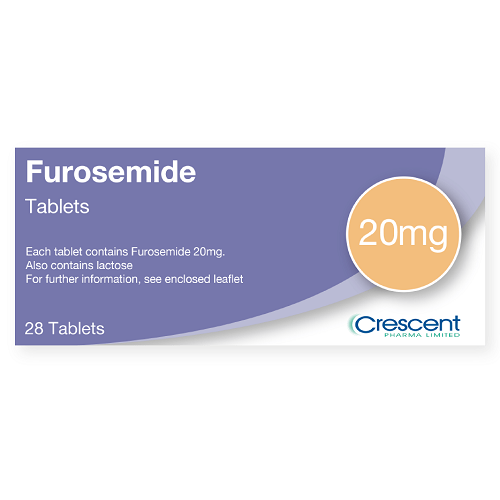
| Medicine Name | Furosemide |
|---|---|
| Main Compound | Furosemide |
| Primary Use | Reduction of excess fluid due to Edema |
| Strength Varieties | 20 mg, 40 mg, 500 mg tablets; oral solution available |
| How Quickly It Works | Within 30–60 minutes (oral); 5 minutes (IV) |
| Active Duration | 4–6 hours (typical oral dose) |
| How It’s Taken | Once daily or as advised, usually in the morning |
| Prescription Status | Prescription-only in the United Kingdom |
| Manufacturers in the UK | Accord Healthcare, Teva UK, Mylan, Crescent Pharma, others (generics) |
Furosemide for Edema: Full Decision Pathway | United Kingdom
Furosemide is a prescription diuretic used to manage the build-up of extra fluid (oedema) in the body. It is licensed and available throughout the United Kingdom, primarily for conditions where water retention poses health risks, such as heart, liver, or kidney issues. If you are considering Furosemide to address swelling or fluid overload, this guide will lead you through every practical and clinical step in making a safe, informed decision.
You’re not alone: The reality of fluid retention in the UK
Oedema, or the abnormal build-up of fluid in body tissues, is a common problem affecting people with a wide range of health issues — most frequently heart failure, chronic kidney disease, and liver disease. According to the National Institute for Health and Care Excellence (NICE), nearly 900,000 people in England alone are living with heart failure, a condition where fluid retention is a key symptom (NICE, 2023). The NHS also reports that swelling in the legs and ankles is among the most cited concerns in general practice, especially in those over 65. Importantly, the vast majority of oedema cases can be managed effectively with the right approach and medication, meaning this is not an unsolvable or rare issue. Your experience is shared by many, and clear medical pathways exist to relieve symptoms safely.
How Furosemide addresses oedema: What actually happens in your body
- What Furosemide does physiologically: Furosemide acts on the loop of Henle, a part of the kidney responsible for concentrating urine. It inhibits the reabsorption of sodium and chloride, leading your kidneys to remove more salt and water from the bloodstream into urine.
- Practical result for you: Within 30–60 minutes of taking a tablet, you will notice increased urination. Over hours to days, this reduction in body fluid can relieve swelling in the ankles, legs, or other affected areas, lessen breathlessness (if present), and may lead to visible weight loss as excess water is expelled.
- Why this works for oedema: Oedema occurs when the body can’t move excess fluid out of the tissues fast enough. By enhancing the kidneys’ ability to remove water and salt, Furosemide directly counters this build-up, offering symptom relief and preventing complications like skin damage or, in heart failure, worsening fluid overload.
This dual impact — prompt symptom reduction and long-term management — is why Furosemide is widely chosen in NHS protocols for fluid overload and why it is considered a first-line treatment in both hospital and community settings in the UK.
Is Furosemide right for you? Recognisable scenarios and selection guidance
| Your situation | Is Furosemide suitable? | Reasoning |
|---|---|---|
| Persistent ankle and leg swelling diagnosed as due to heart failure | Yes — typically first-line | Because Furosemide rapidly relieves fluid overload and is supported by UK heart failure guidelines |
| Sudden weight gain and swollen abdomen from advanced liver disease (ascites) | Yes — with careful monitoring | Because Furosemide can reduce abdominal fluid, but dose and monitoring must be tailored by a specialist |
| Mild swelling in legs without clear underlying medical cause (“idiopathic oedema”) | Often not recommended | Because Furosemide is less effective for swelling not linked to heart, liver, or kidney issues, and overuse may cause side effects without meaningful benefit |
| Kidney disease with low urine output | Cautious use or may not be suitable | Because in severe kidney impairment, Furosemide is less effective or increases risk of electrolyte disturbance; consultation with renal specialist required |
| Taking medications that interact with Furosemide (e.g., certain antibiotics, lithium) | Prescription only after medical review | Because interactions can enhance side effects or reduce effectiveness; your clinician must evaluate risks |
This table illustrates that the appropriateness of Furosemide depends on both the cause of your oedema and existing health conditions. For swelling from clear causes like heart failure or liver disease, it’s frequently the preferred choice. For other causes, or if you have complex medical issues, your GP or specialist will advise on alternatives or monitoring. If you recognise yourself in any of these scenarios, direct discussion with your healthcare provider is strongly advised.
Practical use of Furosemide: Making it work in daily life
- Timing matters: Furosemide is usually taken in the morning to avoid sleep disruption from increased urination. If a second dose is needed, take it before 4pm for the same reason.
- With or without food? It can be taken with or after food to reduce stomach upset, but food may slightly reduce its absorption. Most UK clinicians prioritise comfort over marginal differences in effect.
- If you miss a dose: Take it as soon as you remember, unless it’s close to your next scheduled dose. Never double up. Missing a single dose may not cause harm, but repeated missed doses can allow fluid to accumulate.
- If it doesn’t seem to work: True resistance is uncommon but can occur, especially in severe heart or kidney conditions. If swelling persists or worsens after a few days, notify your doctor promptly — adjustment of dose or additional medications may be needed.
- Monitoring: You may need periodic blood tests (electrolytes, kidney function) and blood pressure checks, especially at treatment initiation or dose increases. This is standard practice in the UK NHS context.
- Normal effects: Passing more urine, mild thirst, and some weight loss (from fluid) are expected. These are signs the medication is working.
- When to contact a doctor: If you experience extreme thirst, confusion, muscle cramps, or dizziness that does not resolve, seek medical review — these may signal low blood sodium or potassium.
Furosemide is powerful, but its effects can be managed safely with attention to routine and early recognition of unusual symptoms. Always keep a record of your weight and symptoms, especially when starting or changing your dose.
Who should not take Furosemide?
- Severe allergy to Furosemide or sulfa drugs: Taking the medicine could provoke a serious allergic reaction, including rash, swelling, or even breathing difficulties.
- Completely blocked urine flow (anuria): Furosemide is ineffective and may worsen kidney function in this scenario.
- Significantly low blood potassium or sodium levels: Because the medicine can lower these further, creating risk of heart rhythm problems or confusion.
- Severe dehydration or low blood volume: Furosemide will remove more fluid, making these conditions dangerous.
- Pregnancy and breastfeeding: Not usually recommended unless the potential benefit outweighs the risks. Your doctor will make this judgment based on your situation.
The rationale for each restriction is to avoid harm — either by preventing an ineffective or risky treatment or by minimising the chance of a serious complication. The list above is not exhaustive; your personal medical history may reveal other factors necessitating caution or an alternative medication.
Understanding possible side effects: Frequency, severity, and action
| Side effect | How common? | Usual course and when to act |
|---|---|---|
| Increased urination | Very common | Normal; no action required unless excessive thirst or dehydration occurs |
| Low potassium (hypokalaemia) | Common | May cause cramps or weakness; discuss at next review. Severe symptoms (palpitations, confusion): seek help urgently |
| Low sodium (hyponatraemia) | Often in elderly or with high doses | Possible confusion or weakness; requires blood test for confirmation. Severe confusion: urgent medical review |
| Dizziness or low blood pressure | Occasional | If mild, stand up slowly. Persistent or severe: see your doctor |
| Allergic rash or itching | Rare | Stop medication and contact your GP |
| Ringing in the ears (tinnitus) or hearing loss (high doses, IV use) | Rare but serious | Stop medication and seek medical advice rapidly |
If you develop severe dizziness, fainting, rapid or irregular heartbeats, severe muscle weakness, confusion, or difficulty breathing after a dose, seek emergency care by contacting NHS 111 or dialling 999 immediately. These may indicate dangerously low electrolyte levels or an allergic reaction. Most people tolerate Furosemide well, but awareness of these serious signs is essential for your safety.
Interactions: What to avoid while using Furosemide
- Other diuretics (“water tablets”): Can amplify fluid and salt loss, raising the risk of low blood pressure or kidney issues.
- Blood pressure medicines (ACE inhibitors, ARBs): Combined use is often necessary but needs close monitoring for excessive blood pressure drop or kidney strain.
- Medications affecting potassium (steroids, laxatives): Increased risk of dangerously low potassium.
- Lithium (used in mental health conditions): Furosemide can raise lithium levels, increasing risk of toxicity.
- NSAIDs (e.g., ibuprofen): May reduce the effectiveness of Furosemide and worsen kidney function.
- Antibiotics such as aminoglycosides: Risk of hearing damage is higher when used together, especially at high doses.
Always provide your GP or pharmacist with a full list of your medications, including herbal or over-the-counter products. Some interactions may only be relevant at high doses or with other risk factors, but your healthcare provider will identify and manage these risks proactively.
Furosemide compared: Honest look at alternatives and limitations
| Option | Typical use-case | Advantages | Limitations |
|---|---|---|---|
| Furosemide (loop diuretic) | Heart failure, significant oedema, kidney/liver disease | Rapid onset, highly effective for substantial fluid overload, broad clinical experience | Risk of electrolyte imbalance; may require blood test monitoring; not ideal for mild swelling |
| Bumetanide (loop diuretic) | When Furosemide is not tolerated or effective | Similar efficacy, sometimes effective when Furosemide is less so | Shorter duration; higher cost; also requires monitoring |
| Thiazide diuretics (e.g., bendroflumethiazide) | Milder fluid retention, high blood pressure | Less potent, fewer electrolyte disturbances at standard doses | Unsuitable for severe oedema or in advanced kidney disease |
| Spironolactone (potassium-sparing diuretic) | Liver disease with ascites, heart failure | Helps maintain potassium; useful in combination with Furosemide | Slow onset; risk of high potassium, especially in kidney disease |
| Non-drug options (compression stockings, salt restriction) | Mild leg oedema, prevention of worsening | No medication side effects | Ineffective for significant fluid overload; not a substitute for diuretics in most cases |
Furosemide remains the preferred initial therapy for rapid reduction of severe oedema due to heart, liver, or kidney disease in the UK. Other diuretics may be selected based on individual response, coexisting medical conditions, or side effect profile. For mild swelling, especially where there is no cardiac, liver, or renal cause, drug therapy may not be the first choice.
Furosemide in practice: Costs, prescriptions, and what to expect in the UK
| Cost element | Amount (GBP) | Context |
|---|---|---|
| GP consultation (NHS) | Free | Standard care for UK residents |
| Private GP or online doctor | £45–£100 per consultation | For those without NHS access or seeking faster service |
| Prescription fee (NHS England) | £9.65 per item | Standard NHS prescription charge |
| Furosemide tablets (generic, 28 x 40mg) | £2–£5 | Actual cost; but usually covered by NHS, patient pays only the prescription charge |
| Home delivery (online pharmacy) | £3–£7 | Varies by provider and speed |
| Total | £9.65–£22.65 | Most common scenario: NHS prescription, standard delivery, one-month supply |
Furosemide is highly accessible and affordable in the UK, especially for those eligible for NHS prescriptions. Private or online routes are available for those seeking rapid access or who are not eligible for NHS care; these involve additional costs. The UK’s Medicines and Healthcare products Regulatory Agency (MHRA) oversees the regulation and safety of all medicines, including Furosemide, ensuring that products supplied through registered pharmacies meet stringent quality standards. A prescription is legally required for supply in the UK. While some online sites may offer options “without prescription,” these are unregulated and carry significant risks — always prioritise a legitimate source for your own safety.
Final clarifications: What happens after you start Furosemide?
How soon will swelling improve? For most, some reduction in swelling or breathlessness is seen within one to two days, though the full effect may take a week. Monitoring your weight daily (ideally on the same scale and at the same time each day) provides a tangible measure of progress.
How long is treatment usually needed? The duration depends entirely on the cause of your oedema. For chronic illnesses like heart failure or kidney disease, Furosemide may be long-term or lifelong. In other situations, it may be stopped once fluid levels are stable. Your doctor will guide you based on your response and test results.
Can you drive or work while taking Furosemide? Most people can, once they know how it affects them. However, the risk of dizziness or needing the bathroom more urgently in the first days may make it sensible to plan accordingly.
If you have further concerns about side effects, monitoring, or how Furosemide fits with your other treatments, inform your healthcare provider. The right information and support are always available — and clarity on these final points often makes the difference in a smooth, confident start to treatment.